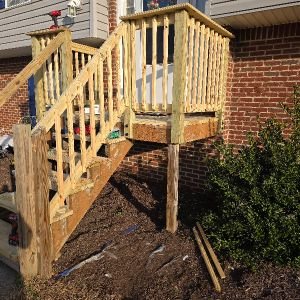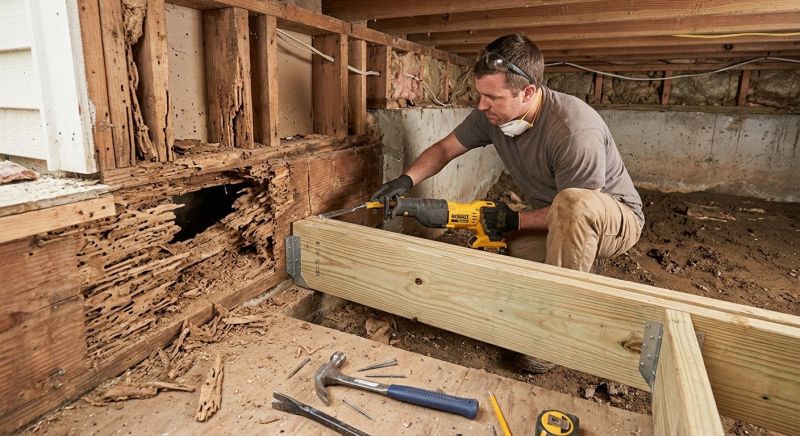
Termite Damage Restoration in Littleton, CO
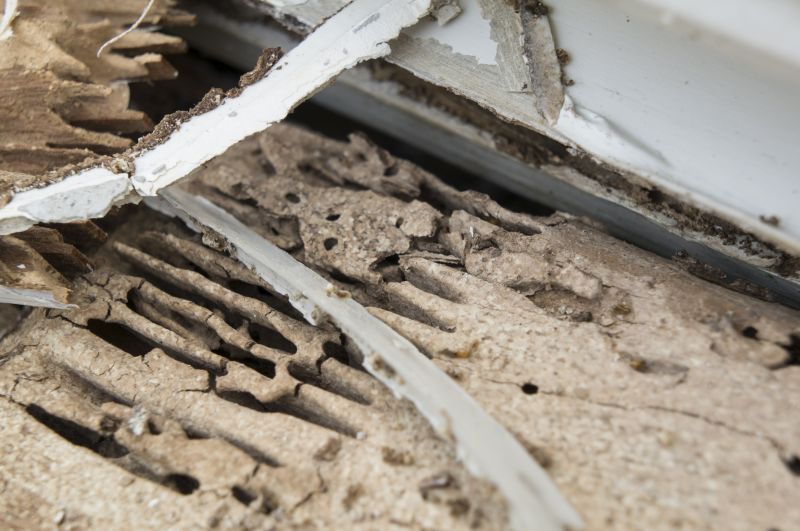
Termite damage restoration services focus on repairing and restoring properties affected by termite infestations. These projects typically involve assessing the extent of damage caused by termites, which can include compromised wood structures, weakened framing, and damaged drywall or flooring. The process may include removing and replacing damaged materials, treating affected areas to prevent future infestations, and ensuring the structural integrity of the property is maintained. Homeowners often seek these services after discovering signs of termites or experiencing issues such as sagging floors, hollow-sounding wood, or visible termite activity.
Before requesting termite damage restoration, property owners usually want to understand the scope of repairs needed and whether the infestation has been fully eradicated. It’s important to identify if structural components like beams, studs, or joists have been compromised, as these may require extensive work. Clarifying what materials will be replaced, the methods used to treat pests, and the overall impact on property value can help homeowners make informed decisions. Proper assessment and communication are essential to ensure the restoration process addresses current damage and helps prevent future problems.
Many property owners in Littleton, CO look into Termite Damage Restoration for repairs, replacements, upgrades, and appearance-related improvements.
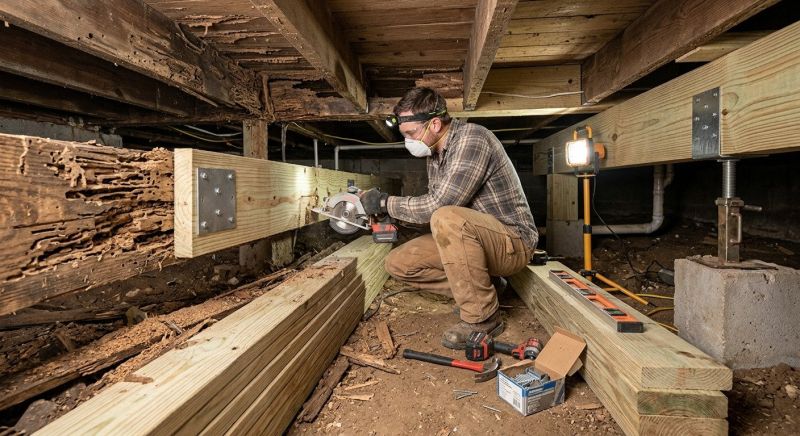
Identifying Termite Damage
Early signs of termite activity can prevent extensive structural issues in homes around littleton, co.
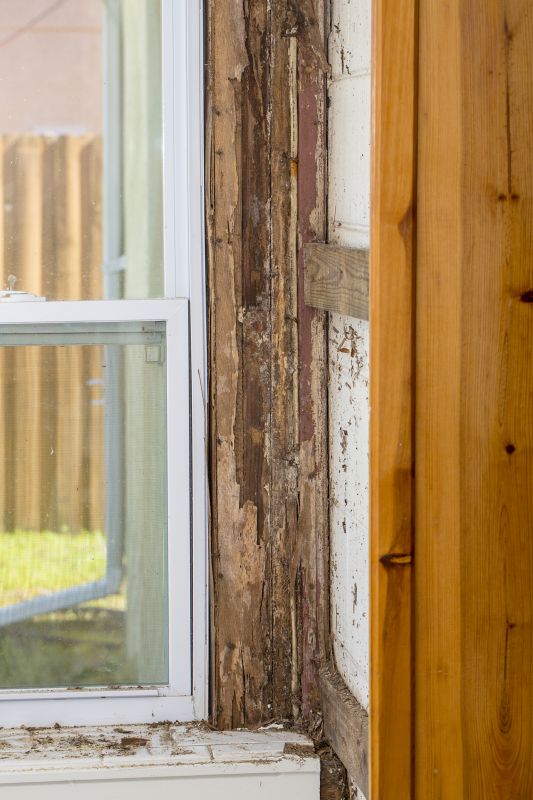
Restoration And Repair
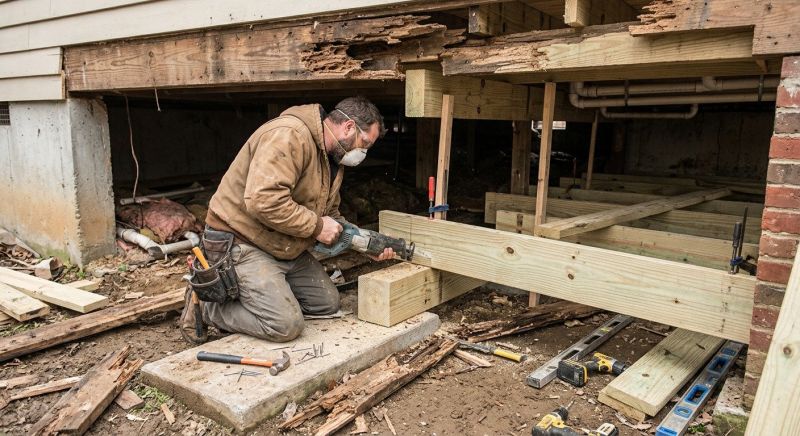
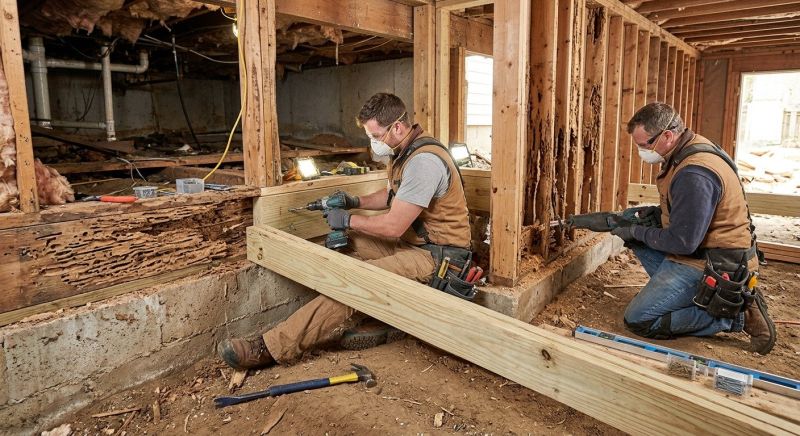
Restoring a property after termite damage involves replacing compromised wood and reinforcing affected areas.
Preventative Treatments
Effective termite prevention can help protect residential and commercial properties in littleton from future infestations.
Termite Damage Restoration in Littleton, CO
Termite damage restoration services focus on repairing and restoring properties affected by termite infestations. These projects typically involve assessing the extent of damage caused by termites, which can include compromised wood structures, weakened framing, and damaged drywall or flooring. The process may include removing and replacing damaged materials, treating affected areas to prevent future infestations, and ensuring the structural integrity of the property is maintained. Homeowners often seek these services after discovering signs of termites or experiencing issues such as sagging floors, hollow-sounding wood, or visible termite activity.
Before requesting termite damage restoration, property owners usually want to understand the scope of repairs needed and whether the infestation has been fully eradicated. It’s important to identify if structural components like beams, studs, or joists have been compromised, as these may require extensive work. Clarifying what materials will be replaced, the methods used to treat pests, and the overall impact on property value can help homeowners make informed decisions. Proper assessment and communication are essential to ensure the restoration process addresses current damage and helps prevent future problems.
Many property owners in Littleton, CO look into Termite Damage Restoration for repairs, replacements, upgrades, and appearance-related improvements.
Common Termite Damage Restoration Jobs
Termite Damage Restoration - repairs structural damage caused by termite infestations.
Wood Repair - replaces or reinforces damaged wood components in the property.
Structural Stabilization - ensures the stability of weakened foundations and framing.
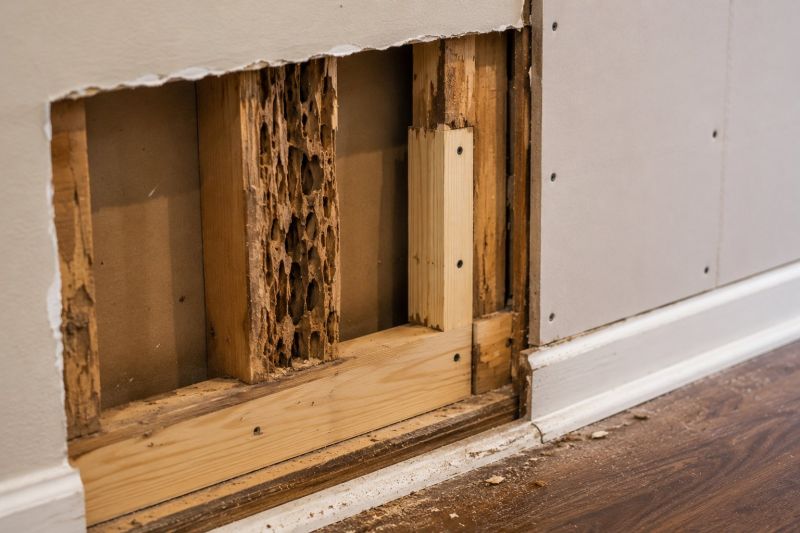
Surface Restoration - restores damaged drywall, flooring, and other interior surfaces.
Pest Inspection & Prevention - assesses ongoing risk and implements measures to prevent future infestations.
Damage Assessment - evaluates the extent of termite damage to guide effective restoration.
Termite Damage Restoration Questions
What is termite damage restoration? It involves repairing structures affected by termites, including replacing damaged wood and treating the area to prevent future infestations.
What types of property damage require restoration? Common issues include hollowed or weakened wood, damaged drywall, and compromised framing caused by termite activity.
How can homeowners identify termite damage? Signs include mud tubes, discarded wings, and visible holes or tunnels in wood surfaces.
What should property owners do after discovering termite damage? It’s recommended to have a professional assess the damage and determine appropriate repair and treatment options.
Request Termite Damage Restoration in Littleton, CO
Use the quote form on this page to share the basics of your project and request more information for the type of work you need.